
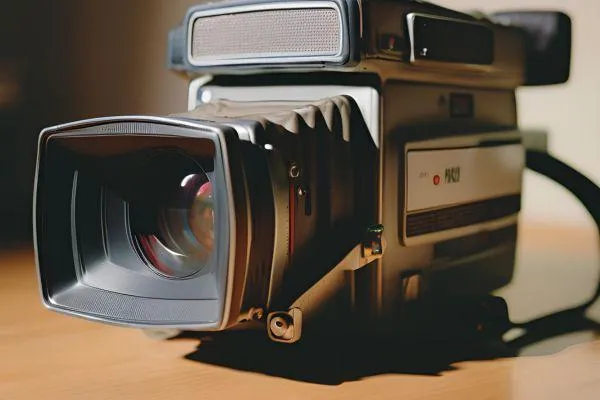
The Evolution of Camera Technology in Found Footage Films
From grainy VHS tapes to sleek 4K digital recordings, the evolution of camera technology has dramatically shaped the found footage horror genre. These films thrive on their raw, unfiltered aesthetic, and as cameras have evolved, so too have the ways filmmakers scare us.

1. The VHS Era
The late 90s saw the dawn of found footage horror with "The Blair Witch Project," which terrified audiences using nothing more than a couple of camcorders and some seriously shaky footage. The grainy, low-resolution VHS quality wasn’t just a byproduct of the technology—it was a crucial part of the film’s charm. It felt real, raw, and like something you shouldn’t be watching. Plus, nothing says “don’t go in the woods” like footage that looks like it was dug up from an old box in your attic.
2. Enter the MiniDV
As the 2000s rolled in, so did more compact and user-friendly MiniDV camcorders. Many films like capitalized on this technology, bringing the terror right into our homes. These cameras offered better quality footage while still maintaining that unpolished, authentic look. The static shots from security cameras and the slightly shaky handheld clips made us all double-check the shadows in our own living rooms.
3. Smartphones: Found Footage Camera in Your Pocket
Fast forward to today, and nearly everyone has a high-quality camera right in their pocket. Smartphones have democratized filmmaking, making it easier than ever to shoot a found footage film. Many films have now been shot entirely on an iPhone, proving that you don’t need expensive equipment to create an effective scare. The accessibility of smartphones means more people can tell their terrifying tales, turning everyday scenarios into nightmarish realities.
4. GoPros: First-Person Frights
GoPros have brought an adrenaline-pumping edge to found footage films. Their compact size and rugged design make them perfect for high-action sequences and first-person perspectives. Filmmakers use GoPros to put viewers right in the middle of the action, making the scares feel immediate and personal. It’s like being in a horror video game, but with no reset button.
5. Security Cameras
Security cameras have become a staple in modern found footage horror. They add a layer of realism and can create intense suspense. The static, wide-angle shots from these cameras show just enough to unsettle viewers, while leaving plenty to the imagination. Films like “Look” and “Lexi” use security footage to chilling effect, making you question every flicker and shadow on your own home security system.
6. 4K and Beyond
The leap to 4K resolution has given found footage horror a new level of detail. Films shot in ultra-high-definition can still maintain the raw, unfiltered feel of their predecessors while adding a clarity that makes every eerie detail pop. The improved quality doesn’t detract from the fear factor—instead, it enhances the viewer’s immersion. After all, the devil is in the details, and in 4K, you see every single one.
7. AI and Machine Learning: The Future of Fear
Looking ahead, AI and machine learning are poised to revolutionize found footage horror. Imagine AI-driven editing software that can automatically create jump scares or enhance eerie atmospheres. AI could analyze footage to suggest the most terrifying edits, or even generate entirely new scenes based on the director’s vision. It’s a brave new world where technology not only captures the horror but helps create it.
Lights, Camera, Scares
The evolution of camera technology has continually pushed the boundaries of what’s possible in found footage horror. From the grainy charms of VHS to the crystal-clear terror of 4K, each advancement has brought new ways to scare audiences senseless. As technology continues to evolve, so too will the methods filmmakers use to make us sleep with the lights on. So grab your camera, charge your batteries, and get ready to create the next generation of horror—just make sure you’ve got a good grip on that GoPro when the monster jumps out.